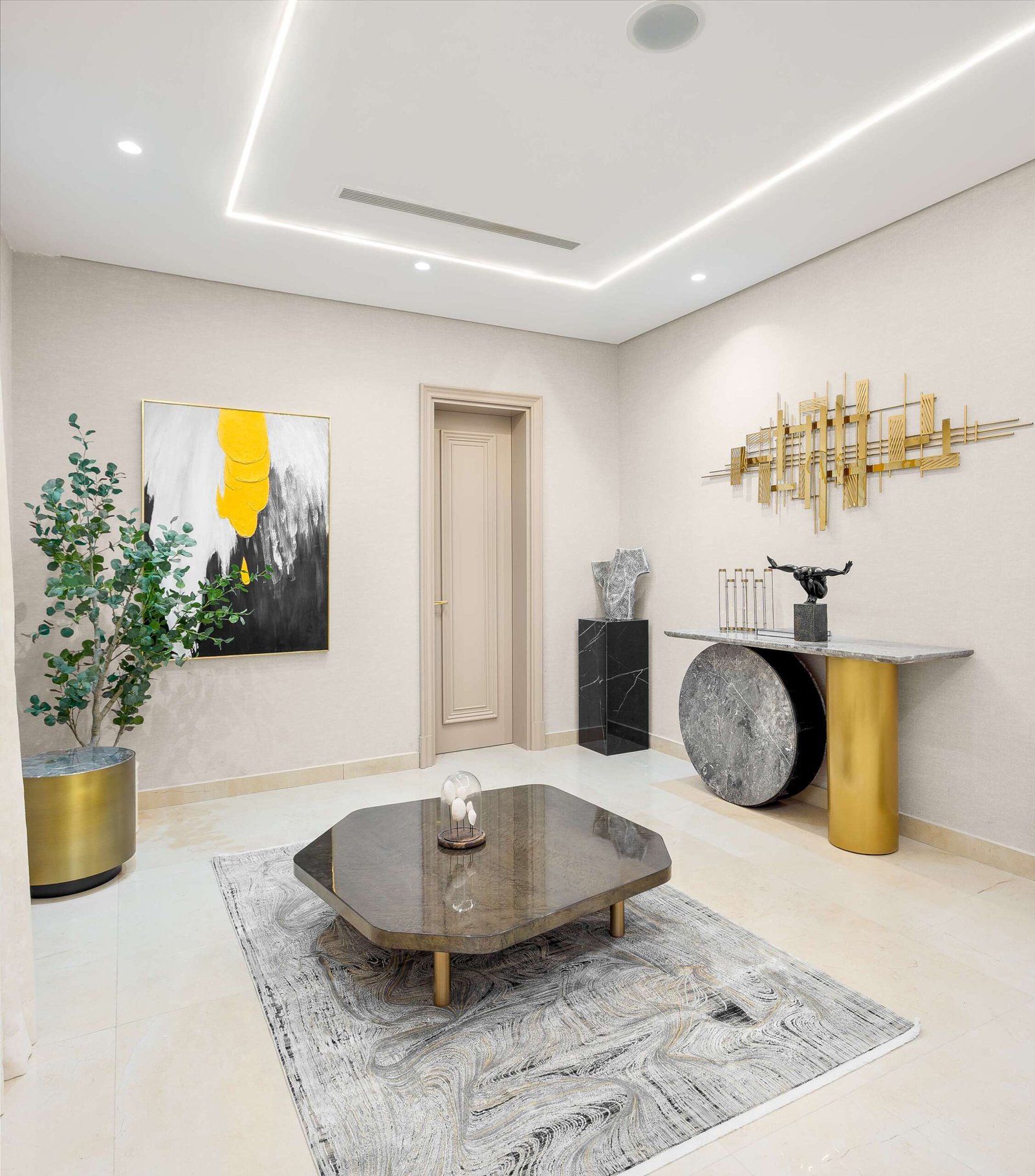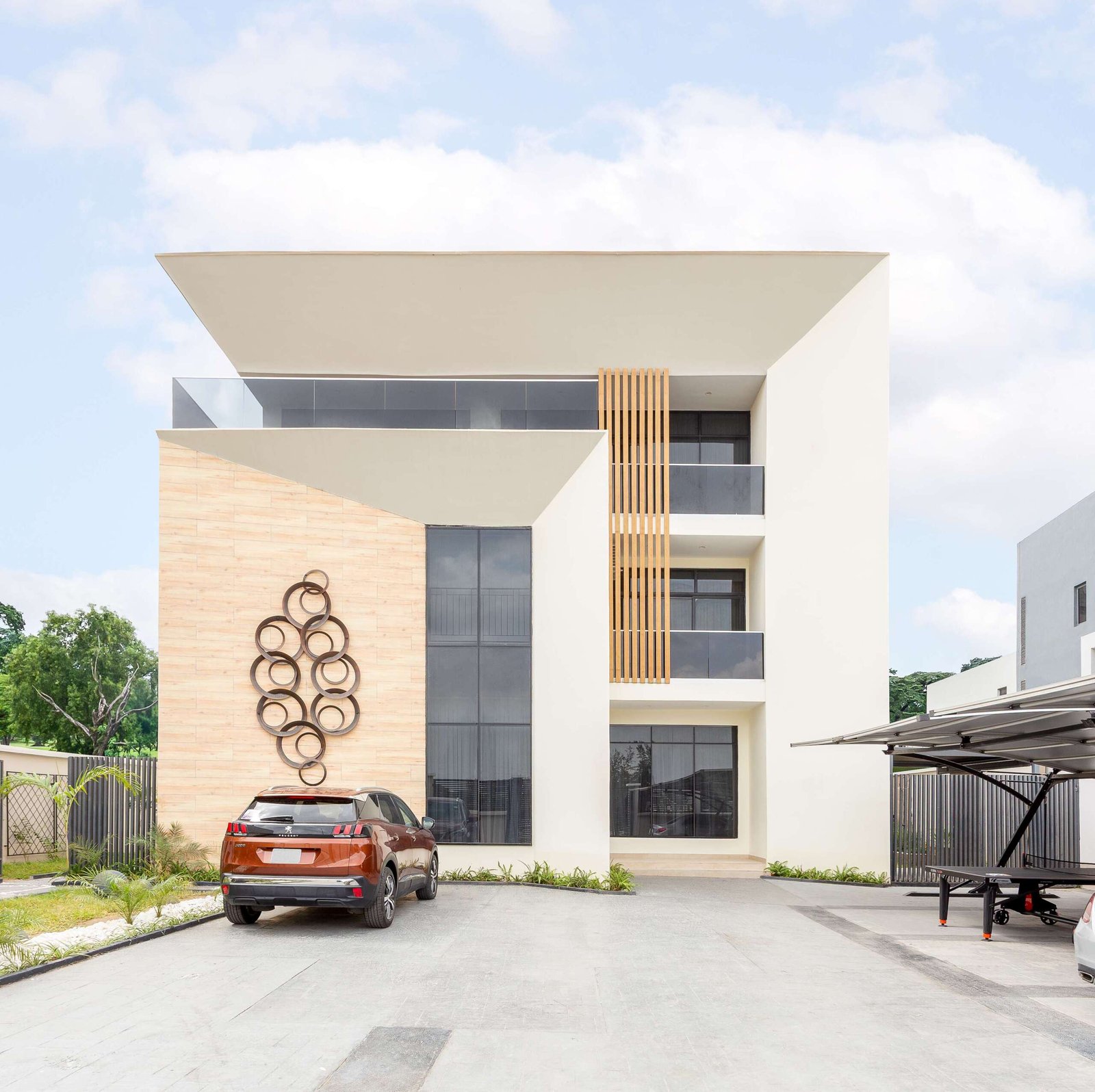
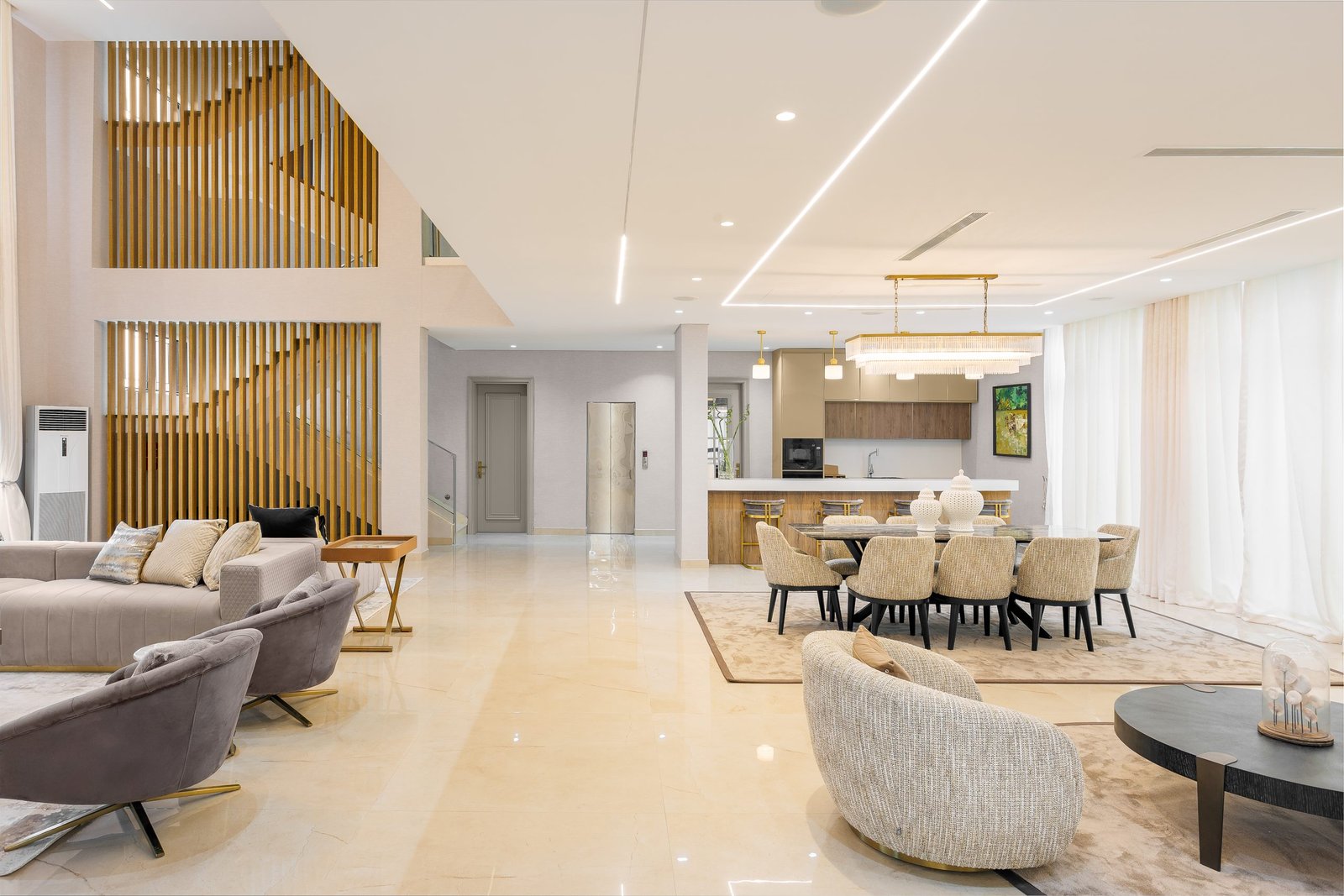
Statistically, 70-80% of the average person’s day is spent at home. And if that is the case with you, imagine stepping into your space and feeling an immediate connection of ease, a sense of belonging that every corner, every detail, has a purpose and speaks of who you are.
But how do you craft such a space? Translating your personality into the design of your home can seem like a daunting task. It goes beyond picking out colours and furniture. It’s about shaping a space that feels authentic yet functional. Let’s walk through the process, step by step, to help you visualize a home that enhances your everyday life.

How Do You Define Your Style?
Before you even think about paint swatches or furniture catalogs, take a moment to reflect on yourself. What do you gravitate toward in your daily life? Are you drawn to vibrant, bold aesthetics or soft muted tones? Do you prefer simplicity or intricate details? Consider your hobbies, favorite places, scenes that you admire in movies, your fashion preferences, preferred style of music, etc. These preferences often translate seamlessly into design elements.
For instance, if you love the outdoors, your space might feature earthy tones, natural materials like wood and stone, and a few indoor plants. On the other hand, a passion for travel could inspire a mix of global patterns and artifacts.
How to Create a Mood board that Reflects Your Personality
One of the best ways to articulate your style is by creating a visual collection of ideas. Platforms like Pinterest or mood board tools allow you to gather inspiration; a collage of interests like patterns, textures, furniture pieces, mood and lighting, shades and colours. As you build your board, patterns will start to emerge; a recurring color palette, specific furniture styles, or even particular lighting preferences.
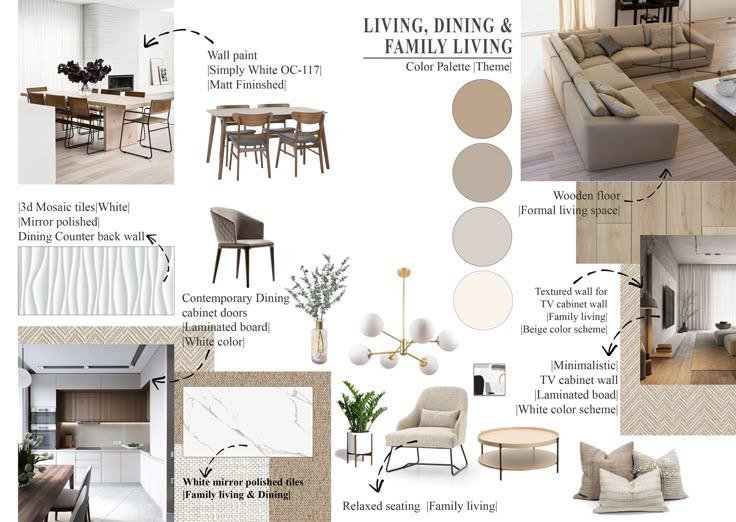
Choosing Colours That Resonates With You
Colour is one of the most impactful ways to convey personality in a home. Bright and cheerful hues like yellows and oranges may suit an extroverted, energetic individual, while softer pastels or monochromatic schemes might resonate with someone seeking calm and serenity.
Take the time to experiment with samples on your walls, observing how they look in different lighting scenarios throughout the day.
How Do You Incorporate Meaningful Pieces Into Your Home?
Making your home a true reflection of your personality starts with decoration choices that feel personal and authentic. Display items that hold sentimental value, like a vintage lamp passed down from family or artwork collected during travels. These pieces not only make your space unique but also anchor it with emotional depth. Where is a better place to display sentiments if not your home?

If you don’t already own such items, consider investing in handcrafted furniture or decoration that reflects your heritage or a ‘taste’ you intend to acquire.
How Do Functionality and Aesthetics Work Together in Home Design?
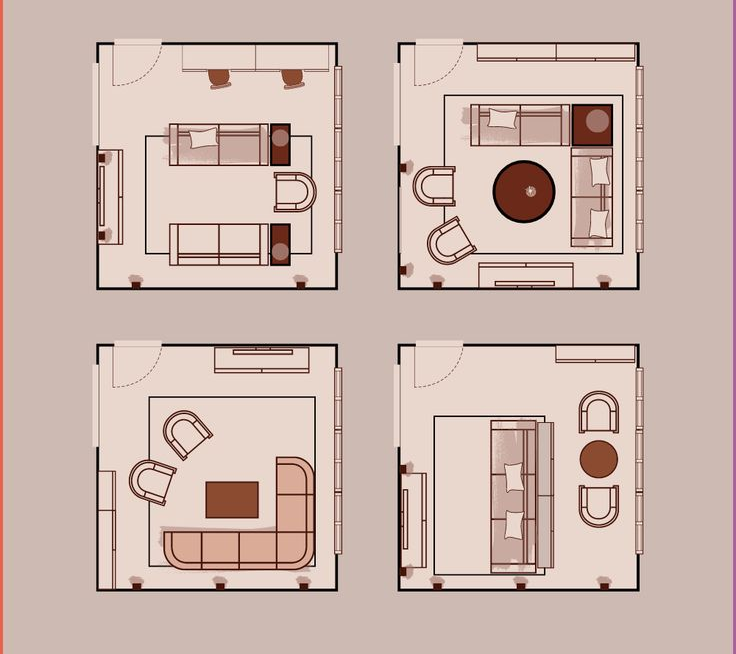
The arrangement of your furniture and decoration speaks volumes about your personality. Symmetrical layouts often appeal to those who prefer order and balance, while eclectic, asymmetrical arrangements may reflect creativity and spontaneity. Don’t be afraid to move things around until the flow of the room feels just right.
Consult a Professional
Sometimes, articulating your vision can be tricky, and that’s where a professional architect or designer comes in. They can help translate your personality into a cohesive design while offering insights you might not have considered. A good designer will listen to your ideas and elevate them, ensuring your home feels both personal and polished. For example, a consultant may tell you to have your accent colors on movable furniture instead of fixtures for flexibility in the future.
Break the Rules
Ultimately, design rules are just guidelines. If something unconventional feels right to you, embrace it. A bold use of materials or fixtures, mismatched furniture, or a quirky statement piece can make your home truly one of a kind.
The Takeaway
For many, an uncompromised home design is more than just aesthetics; it’s a source of peace, energy, and inspiration. Stepping into a thoughtfully designed space can instantly shift their mood, providing comfort after a long day and motivation at the start of a new one. When a home truly reflects one’s personality and values, it becomes so inviting that staying in feels more fulfilling than going out. This reinforces the idea that a home isn’t just where you live, it’s an extension of who you are. By intentionally weaving your unique experiences, tastes, and lifestyle into your space, you create more than just a beautiful home, you create a sanctuary that nourishes you every day.